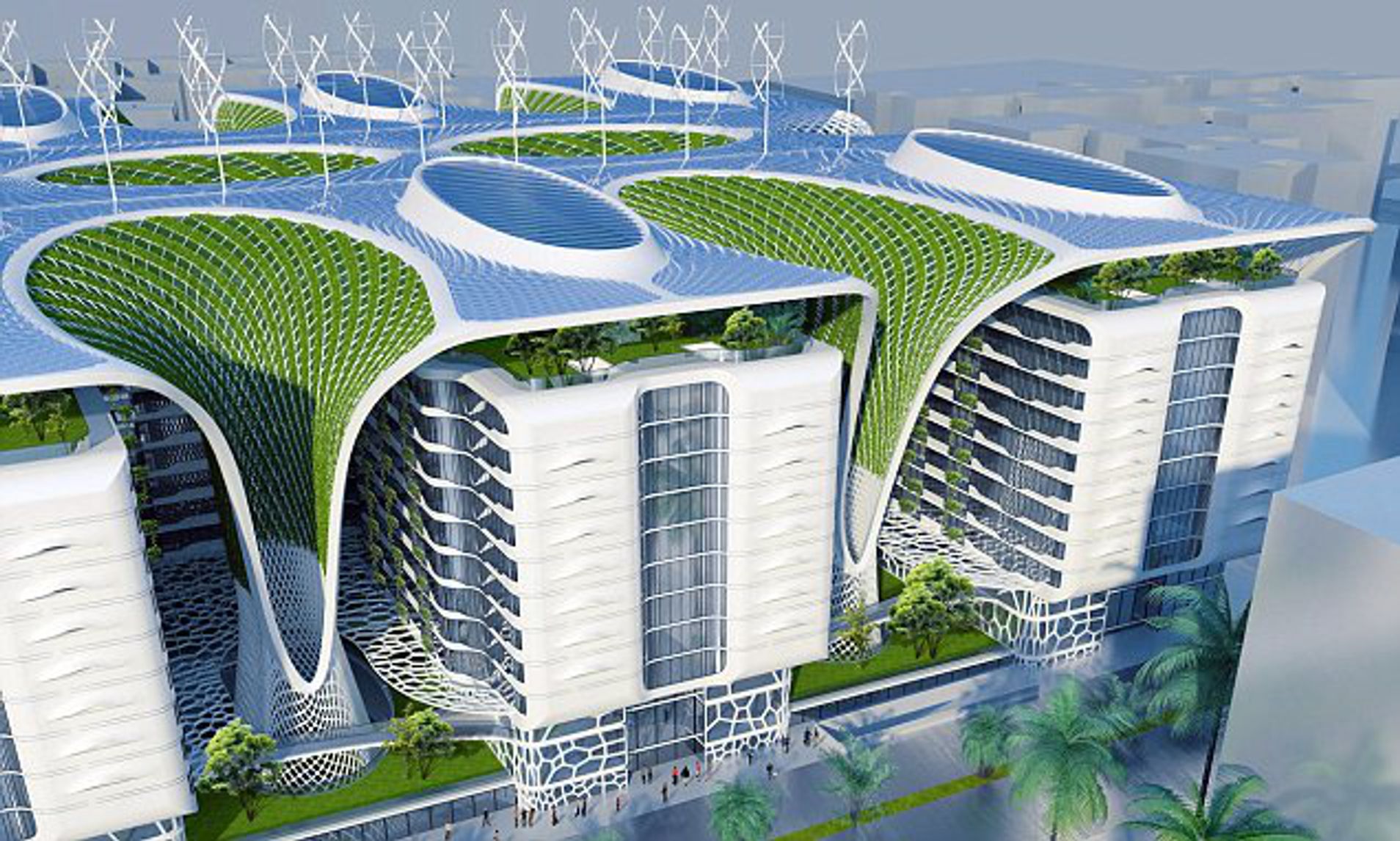
As top energy efficient building designs in 2025 takes center stage, this opening passage beckons readers into a world crafted with good knowledge, ensuring a reading experience that is both absorbing and distinctly original. Energy efficiency is no longer just a trend but a necessity for sustainable living in the future.
Let's delve into the innovative designs and technologies shaping the buildings of tomorrow.
Energy-Efficient Building Designs
Energy-efficient building designs play a crucial role in 2025 as the world continues to focus on sustainability and reducing carbon footprint. These designs not only help in conserving energy but also contribute to creating healthier and more comfortable living and working spaces for occupants.
Innovative Materials and Technologies
- Usage of smart glass: Smart glass technology allows windows to tint automatically based on sunlight intensity, reducing the need for artificial cooling or heating.
- Solar panels integration: Solar panels are being seamlessly integrated into building designs to harness renewable energy and reduce reliance on traditional power sources.
- Energy-efficient insulation: Advanced insulation materials such as aerogel and vacuum insulated panels are being used to minimize heat loss and improve energy efficiency.
Contribution to Sustainability
- Reduced energy consumption: Energy-efficient building designs significantly lower energy consumption, leading to reduced greenhouse gas emissions and environmental impact.
- Improved indoor air quality: By utilizing energy-efficient materials and technologies, these designs help in maintaining better indoor air quality, promoting the health and well-being of occupants.
- Long-term cost savings: While the initial investment in energy-efficient building designs may be higher, the long-term cost savings in terms of energy bills and maintenance expenses make them a financially viable option.
Sustainable Construction Practices
Implementing sustainable construction practices is crucial in the creation of energy-efficient buildings. These practices focus on reducing environmental impact, conserving resources, and promoting long-term sustainability.
Key Sustainable Construction Methods
- Use of Recycled Materials: Incorporating recycled materials in construction reduces the demand for new resources and minimizes waste generation.
- Energy-Efficient HVAC Systems: Installing high-performance heating, ventilation, and air conditioning systems helps in optimizing energy usage within buildings.
- Solar Panel Integration: Utilizing solar panels for renewable energy generation can significantly reduce reliance on traditional power sources.
- Green Roof Installation: Green roofs not only provide insulation but also help in managing stormwater runoff and improving air quality.
Impact of Sustainable Construction
Sustainable construction practices play a vital role in enhancing the overall performance of buildings. They contribute to lower energy consumption, reduced operating costs, improved indoor air quality, and increased occupant comfort. Additionally, these methods promote environmental stewardship and support a healthier ecosystem for future generations.
Integration of Renewable Energy Sources
Incorporating renewable energy sources like solar panels, wind turbines, and geothermal systems into building designs is crucial for achieving high levels of energy efficiency and reducing carbon footprint. By harnessing these sustainable energy sources, buildings can generate clean and renewable power to meet their energy needs.
Solar Panels
One approach to integrating renewable energy sources is through the installation of solar panels on rooftops or facades of buildings. Solar panels capture sunlight and convert it into electricity, providing a reliable source of renewable energy for powering lighting, heating, and cooling systems within the building.
Wind Turbines
Another method is the use of wind turbines to generate electricity
. Wind turbines can be installed on the roof or on the surrounding property to capture wind energy and convert it into power. This can supplement the building's energy needs and reduce reliance on the grid.
Geothermal Systems
Geothermal systems utilize the natural heat from the earth to provide heating and cooling for buildings. By tapping into the earth's constant temperature, geothermal systems can efficiently regulate indoor climate control while significantly reducing energy consumption and greenhouse gas emissions.
Smart Building Technologies
Smart building technologies play a crucial role in enhancing energy efficiency in buildings by leveraging IoT devices, sensors, and automation systems. These technologies enable real-time monitoring, analysis, and control of various building systems to optimize energy consumption and improve overall performance.
Integration of IoT Devices
IoT devices are used to collect and exchange data between different building components, allowing for seamless communication and coordination. For example, smart thermostats can adjust temperature settings based on occupancy patterns, reducing unnecessary energy consumption. Additionally, IoT sensors can detect natural light levels and adjust lighting systems accordingly, minimizing electricity usage.
Automation Systems for HVAC
Automation systems for heating, ventilation, and air conditioning (HVAC) play a significant role in energy efficiency. These systems can automatically adjust HVAC settings based on occupancy, weather conditions, and energy demand. By optimizing HVAC operations, energy consumption can be reduced while maintaining occupant comfort.
Future Advancements in Smart Building Technologies
The future of smart building technologies holds promising advancements for enhanced energy efficiency. One potential innovation is the integration of AI algorithms to predict and optimize energy usage in real-time. Additionally, the development of self-learning systems that continuously adapt to building conditions and occupant preferences can further improve energy performance.
Ultimate Conclusion
In conclusion, the landscape of energy-efficient building designs in 2025 is paving the way for a greener and more sustainable future. With a focus on innovation and eco-conscious practices, the possibilities are endless. Embracing these advancements will not only benefit the environment but also lead to more efficient and cost-effective buildings.
The future looks bright for energy-efficient designs in construction.
Question Bank
How do energy-efficient building designs contribute to sustainability?
Energy-efficient building designs help reduce energy consumption, lower carbon emissions, and promote a healthier environment by using innovative materials and technologies that prioritize efficiency.
What are some key sustainable construction methods that enhance energy efficiency?
Methods like passive solar design, green roofs, and efficient insulation play a crucial role in enhancing energy efficiency in buildings by utilizing natural resources and reducing energy waste.
What are the benefits of integrating renewable energy sources in building designs?
Integrating renewable energy sources like solar panels and wind turbines reduces reliance on fossil fuels, lowers energy costs in the long run, and contributes to a cleaner energy grid.
How do smart building technologies optimize energy consumption?
Smart technologies such as IoT devices and automation systems monitor and control energy usage in buildings, adjusting lighting, heating, and cooling systems for maximum efficiency based on real-time data.
What are some potential future advancements in smart building technologies for enhanced energy efficiency?
Future advancements may include more sophisticated AI algorithms for predictive energy management, enhanced connectivity for seamless integration of smart devices, and improved energy storage solutions for better efficiency.